
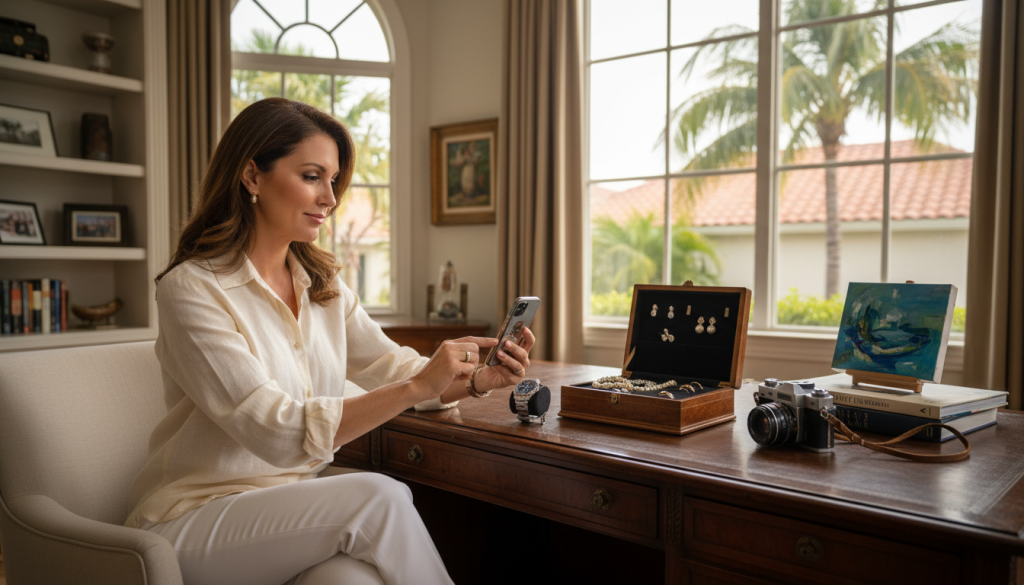
Think about the things inside your home that would be difficult or expensive to replace. A wedding ring. A watch passed down through the family. Artwork collected over the years. A valuable camera. Perhaps a collection that started as a hobby and gradually became worth considerably more than you realized.
Many homeowners assume that because their homeowners insurance includes personal property coverage, every item in the house is automatically protected for its full value. That may not be the case. Homeowners policies generally include coverage for personal belongings, but policies can place special limits on certain categories of property. Understanding those limits before something is lost, stolen or damaged can help prevent an unpleasant surprise later.
Personal Property Coverage Is an Important Part of Homeowners Insurance
A homeowners insurance policy typically includes personal property coverage for belongings such as:
- Furniture
- Clothing
- Appliances
- Electronics
- Kitchen items
- Household goods
- Other personal belongings
However, the amount and type of coverage depend on the individual policy. Certain categories of valuable property may have separate limits, particularly for specific types of losses such as theft. That means having $100,000 of personal property coverage, for example, does not necessarily mean that every individual item you own would be covered up to its full value.
Which Types of Items Deserve a Closer Look?
Every policy is different, but homeowners should pay particular attention to belongings that are unusually valuable or difficult to replace.
These might include:
- Jewelry
- Watches
- Fine art
- Antiques
- Collectibles
- Cameras and photography equipment
- Musical instruments
- High-value electronics
- Valuable tools or equipment
- Certain inherited or one-of-a-kind items
The important question isn’t simply, “Is this item covered?” A better question is: “How is this item covered, for which types of loss, and what limit applies?” Those details can make a significant difference.
Your Engagement Ring Is a Good Example
Consider a valuable engagement or wedding ring. A homeowner may see personal property coverage listed on the policy and assume the ring is fully protected. But the policy may contain a specific limit that applies to jewelry, particularly when the loss involves theft.
If the value of the ring exceeds the applicable policy limit, there could be a difference between what the item is worth and the amount available under the policy for that particular loss. This is why valuable items deserve individual attention when reviewing homeowners insurance.
What Is Scheduled Personal Property?
Depending on the insurance company and policy, additional protection for valuable belongings may be available through an endorsement, rider or other form of scheduled coverage. Instead of relying exclusively on the standard personal property provisions of the homeowners policy, certain valuable items can sometimes be specifically identified for additional coverage.
The insurer may request information such as:
- A description of the item
- Purchase receipt
- Recent appraisal
- Photograph
- Serial number
- Estimated or appraised value
Requirements and available coverage vary by insurance company. Scheduling an item does not mean every possible type of loss will automatically be covered. The policy and endorsement determine the actual coverage, exclusions and conditions.
When Was the Last Time You Had Your Valuables Appraised?
Values can change. A piece of jewelry purchased many years ago may cost substantially more to replace today. The same can happen with artwork, watches, collectibles and other valuable property. An old appraisal may no longer accurately reflect the item’s current value. If you have significant valuables, ask your insurance professional whether updated documentation or an appraisal should be considered. Keeping accurate records can also make it easier to establish what you owned if a covered loss occurs.
Create a Home Inventory Before You Need One
One of the simplest things homeowners can do has nothing to do with purchasing additional insurance. Create a home inventory. You don’t need an elaborate system to get started.
Take your phone and walk through your home room by room.
- Record a video of each room.
- Photograph valuable belongings.
- Open closets, cabinets and storage areas.
- Record model and serial numbers when appropriate.
- Save receipts for significant purchases when available.
- Keep copies of appraisals for valuable items.
- Update the inventory after major purchases.
Store a copy somewhere you can access even if your home or phone is damaged or lost. A home inventory can be valuable because after a loss, remembering every item that was inside a home can be much harder than people expect.
Don’t Forget About Gifts and Inherited Items
Some valuable belongings never appear on your credit card statement. Jewelry may have been inherited. Artwork may have been a gift. An antique may have been in the family for decades. Those items can be easy to overlook during an insurance review because you didn’t personally purchase them. Walk through your home and think beyond recent purchases. Ask yourself: “If this disappeared tomorrow, would I know what it was worth and how my insurance would respond?” If the answer is no, that item deserves another look.
Major Purchases Are a Good Time for an Insurance Review
Insurance shouldn’t be something you think about only at renewal. Certain purchases can be a good reason to contact your insurance professional during the policy term.
For example, consider reviewing your coverage after purchasing or acquiring:
- Expensive jewelry
- Fine art
- Collectibles
- High-end photography equipment
- Valuable musical instruments
- Other significant personal property
Your insurance professional can help you determine whether your existing policy limits are appropriate or whether additional options should be considered.
Five Questions to Ask About Your Valuable Belongings
When reviewing your homeowners insurance, ask:
- Does my policy have special limits for jewelry or other valuable property?
- Do different limits apply depending on the type of loss?
- Should any of my belongings be specifically scheduled or endorsed?
- Do I need receipts, photographs or current appraisals?
- Have I purchased or inherited anything since my last insurance review that should be added?
Those five questions can lead to a much more useful conversation than simply asking whether your belongings are “covered.”
Your Insurance Should Keep Up With Your Life
Homes change. Families change. And what we own changes. The insurance policy you purchased several years ago may not reflect everything currently inside your home. That doesn’t automatically mean you need more coverage. It means your insurance should be reviewed based on what you actually own today.
At EZ Assurance Group, Inc., we believe an insurance review should be about understanding your coverage, identifying potential gaps and helping you evaluate the options available for your individual situation. If you haven’t reviewed your homeowners insurance recently, or you’ve acquired valuable property since your policy was written, this may be a good time to take another look.
Have Questions About Your Homeowners Insurance?
EZ Assurance Group, Inc. can help you review your current homeowners insurance and discuss available coverage options based on your property and individual needs.
EZ Assurance Group, Inc.
3350 SW 148th Ave, Suite 110, Miramar, FL 33027
Phone: (954) 493-1110
Email: info@ezassurancegroup.com
Website: www.ezassurancegroup.com
Coverage, eligibility, limits, deductibles, terms, conditions, exclusions, endorsements and availability vary by insurer and individual risk. This article is provided for general educational purposes and does not constitute a statement of coverage or modify or replace the terms of any insurance policy. Actual coverage is determined by the applicable policy and endorsements.